The Builder’s Blueprint: 100+ Tailwind Animations for the 2026 GTM Stack
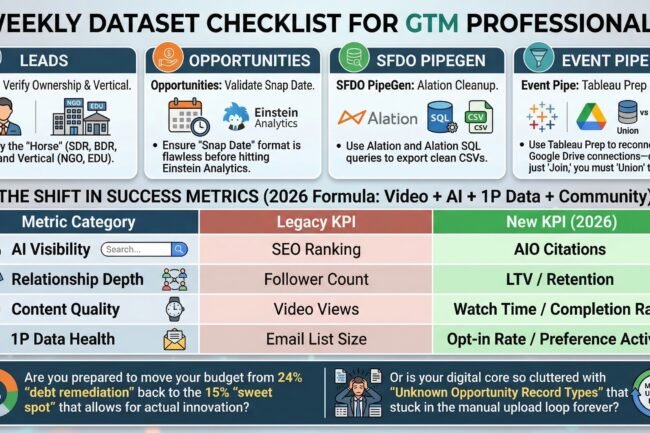 1. The Strategy: Why Attention is the Only Metric That Matters Now
I’ve spent 20 years sitting in boardrooms where “Engagement” was a hollow metric used to justify 2% click-through rates on static, lifeless PDFs. By 2026, that passive era is dead. We are currently drowning in “AI-slop”—a deluge of low-value, automated content that users are filtering out with aggressive ad-blockers and “do not disturb” modes. In this “Zero-Click” paradigm, where Answer Engine Optimization (AIO) means users get their data directly from ChatGPT or Gemini without ever hitting your site, a library of 100+ Tailwind animations isn’t a “nice-to-have” UI flourish. It is a defensive requirement.
Motion is the “Human Signal.” It is the proof of humanity in a Brand Universe that users must enter, not just view. We’ve moved from Transactional to Relational engagement; if your interface is static, you’re a bot. If it moves with intent, you’re a partner. This shift demands that Vertical Video becomes our default media format. From a technical build perspective, your Tailwind library must account for this—thinking in 9:16 aspect ratios and mobile-first frictionless viewing. We are building for the “AI-citable” era, where expert-authored, data-driven motion signals credibility to both the human eye and the AI scraper.
2. Balancing the Debt: Architecture for the Modern GTM Stack
Implementing a high-performance animation library is a technical Catch-22. If you don’t manage the “Principal” correctly, you’ll spend 80% of your sprint cycles paying “Interest” on unoptimized code. According to Accenture’s research on the Digital Core, leading companies target exactly 15% of their IT budget for debt remediation. That is the sweet spot. Anything less, and you’re building on quicksand; anything more, and you’re stalling innovation.
As a builder, I choose Tailwind CSS specifically to keep “Technical Debt Density”—measured as the cost per line of code—at its absolute minimum. We aren’t piling on heavy, legacy JS libraries that require constant patching. We’re building an “Evergreen IT” foundation that functions like a “Single Pane of Glass,” mirroring the consolidation success seen in cases like CTT-Correios de Portugal.
| UI Debt Category | Animation-Related Risk | GTM Strategic Impact |
| Principal | Relying on bulky, non-tree-shakable JS motion suites. | High “Modernization Costs” to replace unoptimized bundles during 2026 scaling. |
| Interest | Quick-fix CSS overrides and “manual interim changes” to patch motion bugs. | Increased effort for every update; 20% slower speed-to-market for new campaigns. |
| Liabilities | Unoptimized SVGs/JSONs causing “Performance Anomaly” alerts in Next.js. | High bounce rates; the system is perceived as “AI-slop” rather than a premium experience. |
| Opportunity Cost | Hard-coded motion logic that can’t pivot to AR/VR “Brand Universes.” | Inability to enter mainstream environments like Apple Vision Pro or Roblox. |
3. The Animation Pipeline: Mapping Motion to the DemandGen Lifecycle
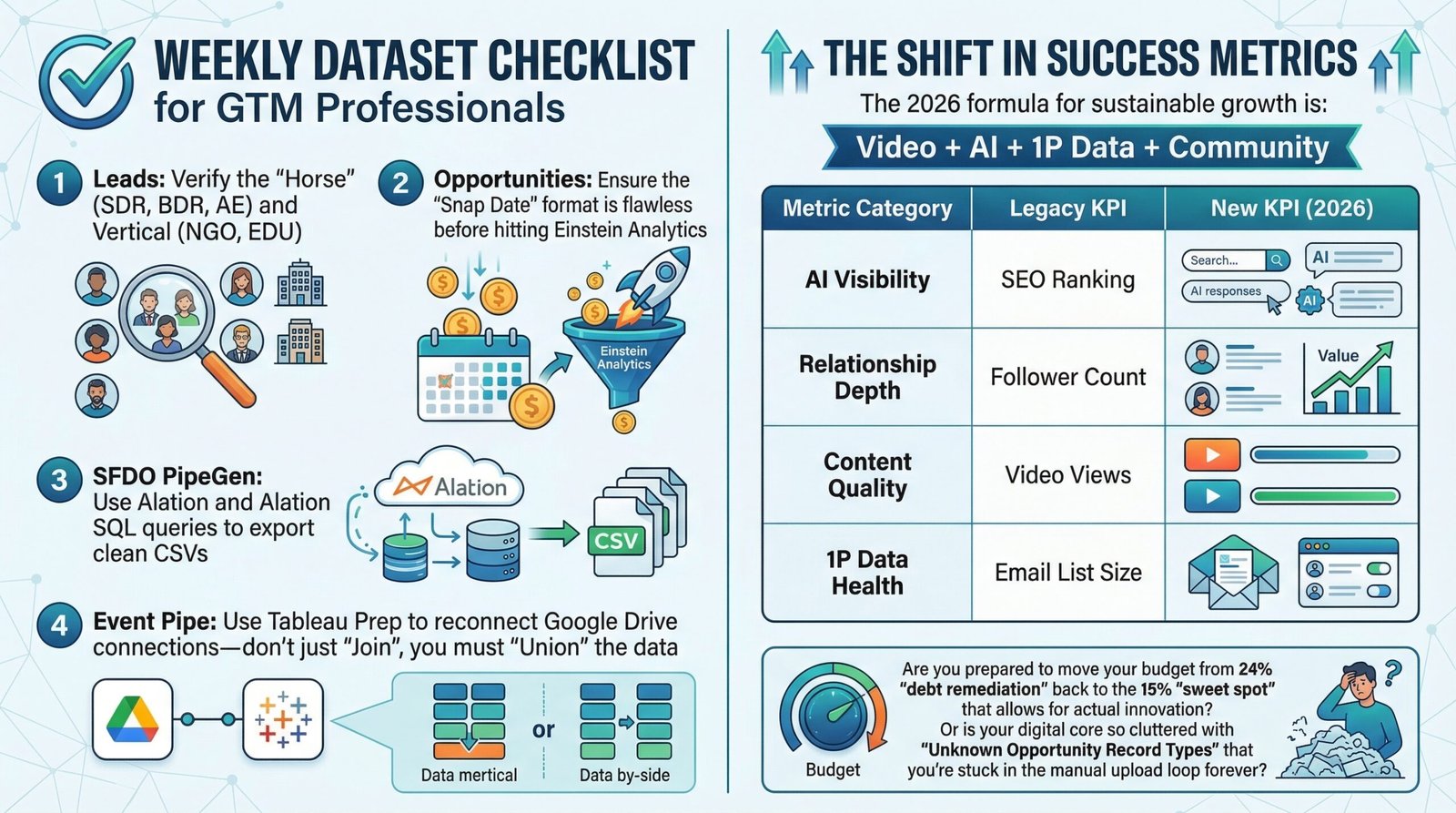
Your UI components must mirror the “Insights into Action” transparency of the SFDO DemandGen Scorecard. We aren’t just making things move; we are visualizing the flow of data from Business Objects (BO) through the Marketing Cloud Pipe and into Einstein Analytics. The intensity of the animation must reflect the data source.
- The Lead Capture Phase (MarketingEAleads): For “Social Commerce” and “Shoppable Content,” the energy must be high. Use high-energy Tailwind pulses and vibrant entrance animations. These leads represent the “Social Selling” revenue engine; they need to feel urgent.
- The Event Qualification Phase (MarketingEAEvents): When tracking “Reg & Attend” metrics, use distinct, high-fidelity micro-interactions. If a lead comes from an Event Pipe (PipeInRoom), the UI should reflect that specific engagement level with celebratory, high-energy triggers.
- The Account/Strategy Phase (SFDO PipeGen): Leads from “Sales Strat” (MarketingEADemandGenPipeGen) require a shift to “Subtle AI” interactions. These are “Invisible AI” principles—subtle trust signals that build “Relationship Depth” without distracting from the data-driven conversation.
- The Opportunity/Close Phase (MarketingEAopps): This is where we implement “Valuable Friction.” For “Hand-signed” human confirmations or expert-authored citations, the animation should be slow and deliberate. It signals that this isn’t an automated hallucination—it’s a milestone with human oversight.
4. The Friction: Real-World Constraints in the Pipeline
Being a builder means dealing with the salt of reality. I’ve seen enough “Data Investigations” to know that the pipeline always clogs. In the SFDO setup, we struggle with “manual interim changes” and “large file sizes” in Google Sheets—the same frustration exists when managing a 100+ component library in a Next.js /components folder. If your JSON files are unoptimized, your build times will balloon exactly like a Google Desktop sync that hangs on a 50MB Event Pipe file.
We must remember the Air Canada AI mishap: automated systems making decisions without human safety nets. This is why we add “Strategic Imperfection.” For example, if your “Snap Date” format fails the MM/DD/YYYY standard in your Alation SQL run, your animation logic shouldn’t blindly show a “Success” state. It should trigger a “Manual Investigation” animation—a visual cue that signals a need for “Data Stewardship.” Building the technical library is a debt-management task; designing the logic behind that motion is a “Durable Skill” that AI cannot automate.
5. The “So What?”: Beyond Impressions to AIO Visibility
The 2026 Formula is non-negotiable: Video + AI + 1P Data = Sustainable Growth. Clicks are a legacy metric. If your brand isn’t being cited by an AI assistant because your content lacks authority or transparency, you are invisible. We build these animations to secure the “Quality of Attention.”
The New KPIs for 2026:
- AIO Citations: How often AI models (ChatGPT/Gemini) confidently cite your well-sourced, motion-verified content.
- Relationship Depth: Measuring LTV and retention over hollow follower counts or “likes.”
- 1P Data Health: The opt-in rate of users willing to share data through your “Permission-based ecosystem.”
- True Conversion: Moving the needle on “Incremental Revenue” rather than simple “Conversion Count.”
Are you building “Invisible AI” infrastructure that serves the human experience, or are you just adding more noise to the AI-slop pile? The window for this transformation is open, but it’s closing fast.
Audit your current Technical Debt Density. Delete any animation that doesn’t serve a 1P data opt-in or an AIO citation.